
X
- No products in the list
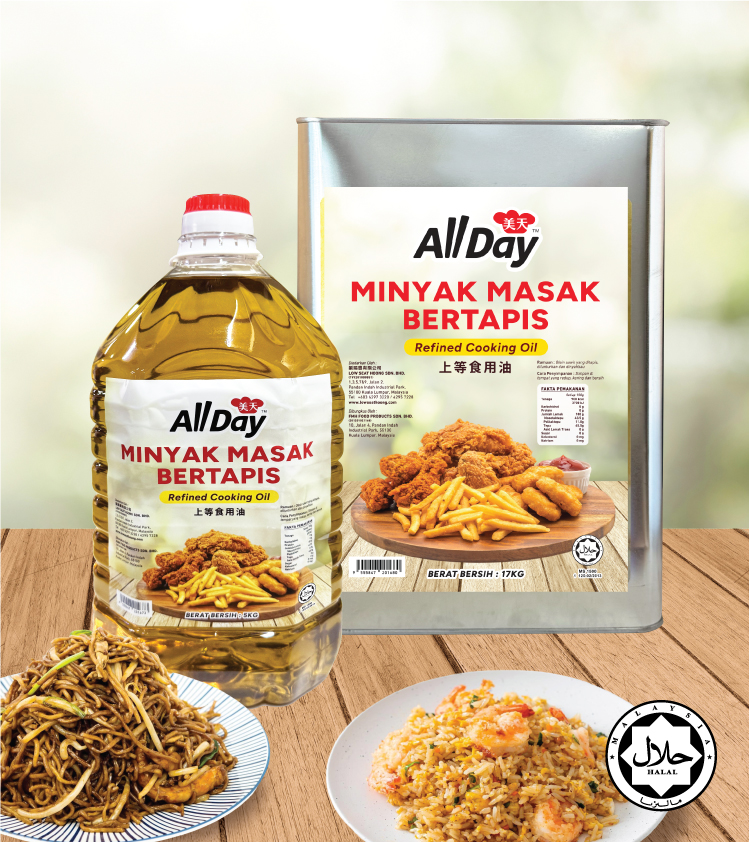
For many restaurants, cafés, central kitchens and catering businesses, choosing the right oil is not just about price. It affects flavour, texture, frying quality, food cost and kitchen consistency. That is why cooking palm oil in Malaysia remains a common choice in many F&B kitchens. It can handle high-heat cooking, works well for deep-frying and pan-frying, and is suitable for many local dishes, from fried chicken and nasi goreng to noodles, seafood and crispy snacks. For businesses looking for steady supply, Low Seat Hoong Food Service offers restaurant food products, including cooking oil, sauces, seasonings, dry goods, frozen food and more.
In a busy kitchen, oil needs to be reliable. During lunch and dinner service, chefs need cooking oil that can support repeated frying, stable heat and consistent results. Cooking palm oil in Malaysia is often used because it performs well in high-temperature cooking. It is suitable for frying chicken, fish, tofu, spring rolls, nuggets, fries, fried rice and many other dishes that require heat and speed.
Another reason restaurants use palm oil is cost control. Food businesses buy ingredients in bulk, so every item must balance quality and affordability. When used properly, palm cooking oil can help kitchens maintain texture without making dishes feel overly greasy. It also works across different cuisines, including Chinese, Malay, Indian, Thai, Western and fusion menus. For restaurants that need regular stock, sourcing from a dependable restaurant food products supplier helps reduce last-minute shortages and keeps kitchen operations smoother.
Temperature control is one of the biggest differences between average fried food and restaurant-quality fried food. If the oil is too cold, the food absorbs more oil and becomes heavy. If it is too hot, the outside may burn before the inside is cooked. For most deep-fried foods, cooking palm oil in Malaysia works best between 160°C and 180°C, depending on the ingredient.
For soft items such as tofu, fish paste, fritters and battered vegetables, 160°C to 170°C is usually enough. This allows the inside to cook gently while the outside turns light golden. For fried chicken, spring rolls, fish fillets and fries, 170°C to 180°C gives a crispier finish. For a quick final fry, some kitchens raise the temperature to around 185°C to 190°C for a short time to create a crunchier surface. However, the oil should not be left to smoke, as overheated oil can affect taste and quality.

A kitchen thermometer gives the most accurate result, but chefs also use visual checks. At around 160°C, small bubbles form gently around the food. At 170°C to 180°C, the bubbles become more active, and the food starts browning at a steady pace. If the oil smokes heavily or the food darkens too quickly, the heat is too high.
When using cooking palm oil in Malaysia, avoid overcrowding the fryer or wok. Adding too much food at once drops the oil temperature. This is why fried food sometimes turns soggy even when the oil was hot at the beginning. Fry in smaller batches, allow the oil to recover between batches and drain cooked food on a rack instead of piling it onto tissue paper. A rack keeps the bottom from steaming and helps maintain crispiness.
Fried chicken is one of the best dishes to show how oil temperature, coating and marination work together. To get a crisp outside and tender inside, start by marinating chicken with salt, pepper, garlic, a little sugar and seasoning powder. For extra tenderness, add a small amount of corn flour and egg white. Let the chicken rest for at least 30 minutes, or longer for stronger flavour.
Heat cooking palm oil in Malaysia to around 170°C. Coat the chicken with seasoned flour or a flour-and-starch mix, then shake off the extra coating before frying. If the coating is too thick or wet, it may fall off in the oil. Fry the chicken until it turns golden and cooked through, then remove it and rest it for a few minutes. For extra crunch, fry it again at around 180°C for a short second fry. This double-fry method helps remove surface moisture and gives the chicken a better bite.
Tender meat starts before the food reaches the oil. For chicken or beef slices, cut against the grain so the fibres are shorter and easier to chew. Add a light marinade with salt, sugar, sauce, corn flour and a small amount of oil. Corn flour helps protect the surface during cooking, while oil helps prevent pieces from sticking together.
For stir-fry dishes, heat the wok first, then add cooking palm oil Malaysia and let it become hot before adding the meat. The goal is to sear quickly, not steam. If the pan is not hot enough, the meat releases water and becomes tough. Cook meat in smaller batches, especially in central kitchens or restaurants preparing large portions. This simple step can improve texture without changing the recipe.

A good cooking oil should fit easily into the daily menu. Cooking palm oil malaysia can be used for deep-fried food, stir-fried noodles, fried rice, wok dishes, crispy toppings and sautéed ingredients. In Malaysian restaurants, it is commonly used for dishes like nasi goreng kampung, mee goreng, fried bihun, sweet and sour fish, salted egg chicken, crispy wontons and fried yam baskets.
Restaurants do not all use oil the same way. A small café may need a smaller pack, while a central kitchen may go through large quantities every day. Low Seat Hoong carries options such as ALL DAY Cooking Oil in 5kg tubs and 17kg tins, giving F&B businesses flexibility based on kitchen volume. For kitchens that fry heavily, larger packaging can reduce the need for frequent restocking.
When choosing cooking palm oil malaysia, check the product size, storage space and usage speed. Store oil in a cool, dry area away from direct sunlight. Keep containers closed when not in use to protect the oil from moisture and dust.
One common mistake is using oil that is not hot enough. When the oil is too cool, food absorbs more oil and becomes soft. Another mistake is turning the heat too high to speed up frying. This can burn the outside while leaving the inside undercooked. Good frying is about steady heat, not extreme heat.
Low Seat Hoong Food Service supplies more than 2,000 food products for restaurants, cafés, hotels, caterers, canteens, central kitchens, wholesalers and other F&B businesses. Beyond cooking oil, the range includes seasoning sauces, seasoning powder, spices, flour, dried goods, canned products, frozen food, dairy products, drink ingredients, desserts and kitchen accessories. This makes procurement easier for businesses that prefer a one-stop supplier.
For businesses looking for cooking palm oil malaysia, Low Seat Hoong focuses on fast service, affordable pricing, good quality and reliable supply. With over 40 years of experience, the company understands how important it is for kitchens to receive products on time. When ingredients arrive consistently, chefs can focus on cooking, menu planning and serving customers. For product enquiries, bulk orders or restaurant supply support, feel free to contact us and speak with the team