
X
- No products in the list
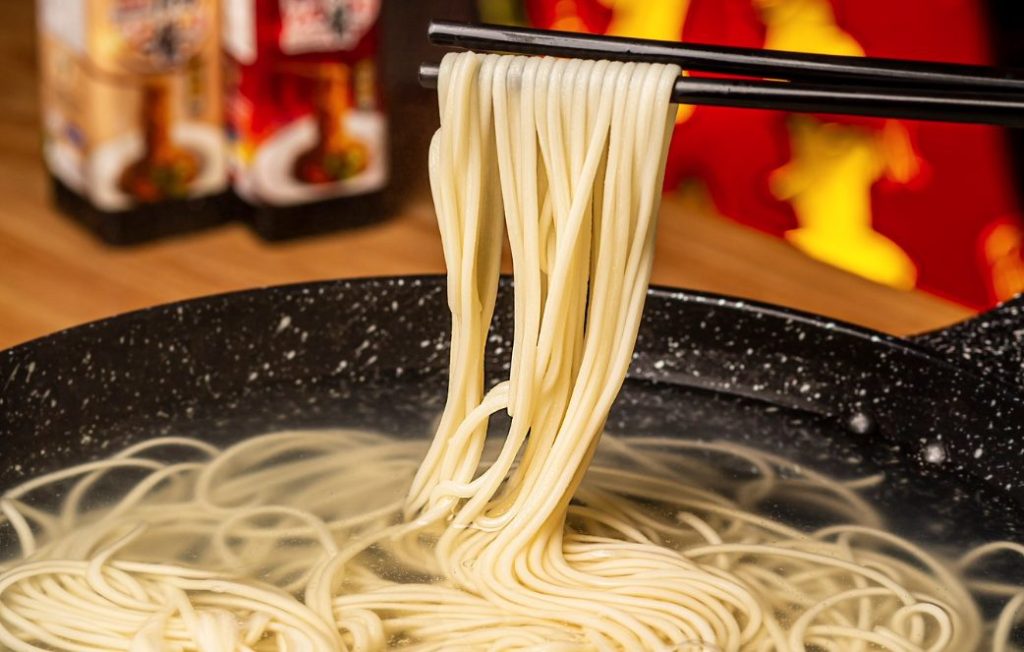
Mee suah is simple, comforting and deeply familiar in many Malaysian Chinese kitchens. It is often served in warm soup, paired with egg, chicken, mushrooms, ginger, sesame oil or Chinese cooking wine, depending on the style of the dish. For restaurants, cafés, canteens and central kitchens, mee suah noodles in Malaysia are a useful menu item because it cooks quickly, feel homely and can be served in many ways. With quality mee suah noodles, the final dish should be soft but not mushy, smooth but not flat, and light enough to absorb the flavour of the soup or sauce.
The most common mistake when cooking mee suah noodles is boiling them for too long. Because the noodles are thin, they only need a short cooking time. In many kitchens, the best method is to prepare the soup separately first, then cook the noodles right before serving. This keeps the texture smooth and prevents the noodles from sitting too long in hot liquid.
Bring water or soup to a gentle boil, then add the noodles and loosen them carefully with chopsticks or tongs. Most mee suah malaysia dishes only need the noodles to be cooked briefly until softened. Avoid aggressive stirring because thin noodles can break. Once cooked, serve immediately. For restaurants, timing is important. Mee suah should not wait too long at the pass, because it continues absorbing liquid and can become too soft.
Some types of mee suah may taste slightly salty because of how they are made and preserved. If the noodles are very salty, blanching them quickly in boiling water before adding them to soup can help balance the flavour. For a cleaner taste, cook the mee suah noodles separately, drain them, then place them into the prepared broth.
For a stronger noodle flavour, some chefs cook the noodles directly in the soup. This gives the broth a thicker texture and allows the noodles to absorb more taste. Both methods can work. The choice depends on the dish style, broth strength and customer preference. If the soup is already rich or salty, separate blanching is usually better.
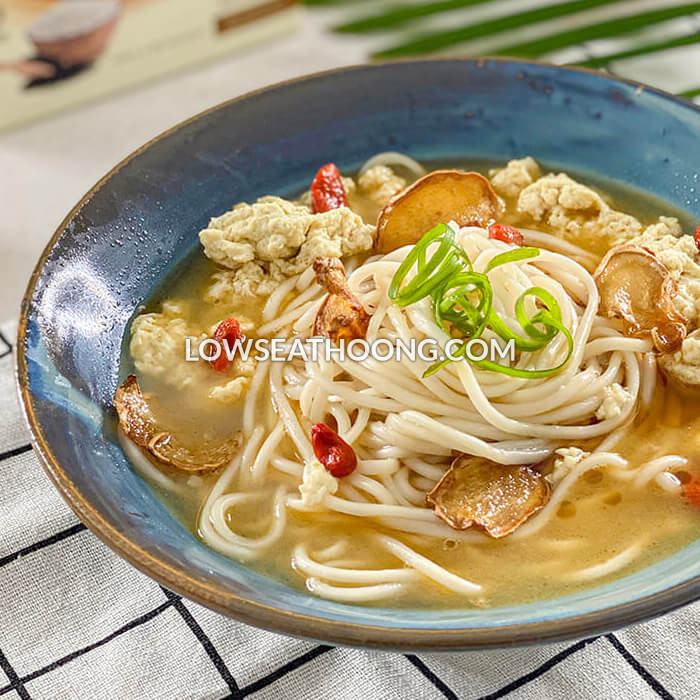
A classic bowl of mee suah malaysia starts with a good broth. Chicken broth is one of the easiest and most popular bases. Simmer chicken bones or chicken pieces with ginger, garlic and a little white pepper. Add seasoning carefully, then finish with sesame oil for aroma. For a simple restaurant version, top the noodles with shredded chicken, fried egg, spring onion and fried shallots.
Another comforting version use egg and ginger, especially in non-halal Chinese-style kitchens. The ginger gives warmth, while the egg adds body to the soup. For seafood restaurants, mee suah noodles can be paired with prawns, fish slices, clams or crab meat. Keep the soup clear and balanced so the delicate noodles do not get overpowered. A small amount of pepper, sesame oil and spring onion is usually enough to bring the bowl together.
Mee suah does not always have to be served in soup. Dry mee suah noodles can be tossed with sauce, sesame oil, fried garlic, soy sauce and toppings. This style works well for cafés, casual restaurants and takeaway menus because the broth can be packed separately or removed completely. The key is to keep the noodles moist enough so they do not clump.
To prepare dry mee suah, blanch the noodles briefly, drain them well and toss immediately with sauce. Use light soy sauce, dark soy sauce for colour, sesame oil, a little pepper and fried shallot oil. Add minced meat, mushrooms, egg or vegetables on top. For a richer version, use braised mushroom sauce or chicken gravy. This gives mee suah malaysia a different style while still keeping the dish familiar.
Stir-fried mee suah is less common than soup mee suah, but it can be a tasty addition to a restaurant menu. Thicker mee suah noodles work better for this because they can handle more movement in the wok. The noodles should be cooked briefly first, drained, then tossed with a little oil to prevent sticking.
Heat the wok, add cooking oil, then stir-fry garlic, egg, vegetables and protein. Add the cooked noodles near the end, followed by seasoning sauce, pepper and spring onion. Toss gently. Do not overwork the noodles, as they are still more delicate than yellow noodles or kuey teow. For mee suah malaysia dishes with wok aroma, high heat and quick movement are important, but the chef must still handle the noodles gently.
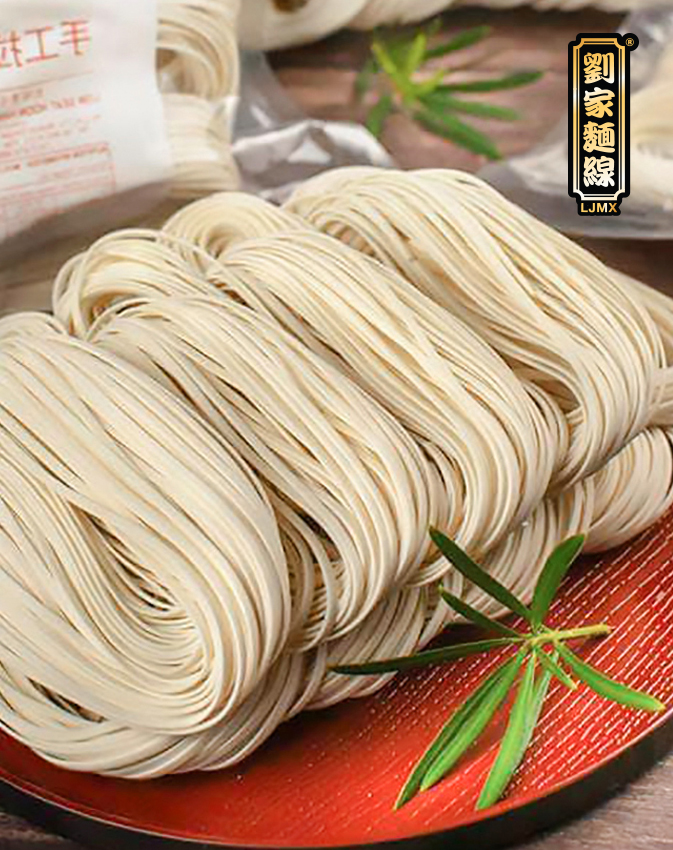
Low Seat Hoong supplies LJMX handmade mee suah in different pack sizes, including 300g and 500g options. The product range includes thin handmade mee suah and Hock Chiew-style mee suah with a thicker, chewier texture. This gives chefs more flexibility when planning mee suah Malaysia dishes for different menus.
Thin mee suah noodles are suitable for soup because they cook quickly and feel light. Thicker handmade mee suah is useful for heartier bowls, dry dishes or stir-fry applications. For businesses that serve regular customers, this variety helps prevent the menu from feeling repetitive. A café might serve a light chicken mee suah for breakfast, while a Chinese restaurant might use thicker noodles with ginger wine soup or seafood broth for lunch and dinner.
With LJMX handmade mee suah and other restaurant food supplies from Low Seat Hoong Food Service, kitchens can create consistent, comforting noodle dishes while keeping procurement simple. For product details, quotation support or bulk enquiries, feel free to contact us.